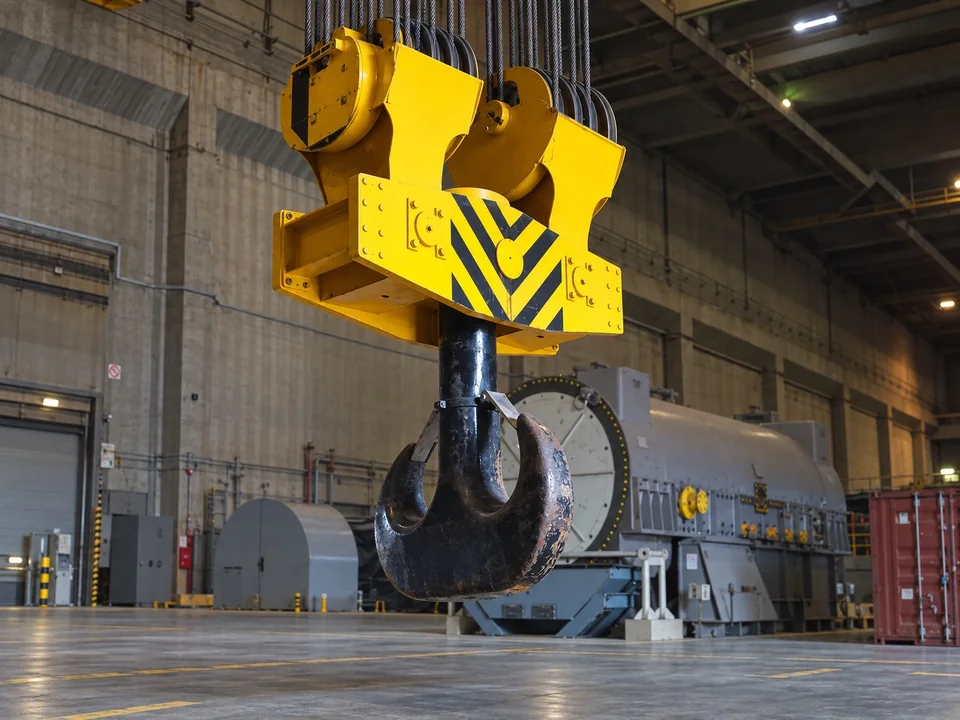
An overhead crane is more than its lifting hook. The bridge, trolley, hoist, controls and working area need to be considered together. We plan around your crane configuration and operating window to make the inspection and testing practical for your facility.
Bridge configuration, trolley travel, lifting height and access influence the test arrangement. WWLTS works with your team to establish the crane details, available records and practical loading method before the site visit.
WHAT WE DO
A closer look at the work
The work is scoped around your equipment, site and required outcomes.
01
Bridge, trolley and hoist
Single- and double-girder arrangements have different access and clearance requirements. The scope can include relevant structural, mechanical and electrical components, accessible lifting parts and agreed functional checks.
02
Test-load and travel arrangements
We review lifting height, available headroom, the loading area and the crane positions needed for the agreed work. Water bags and solid test weights each bring different handling, delivery and site-preparation requirements.
03
Coordinate with production
Factory access, maintenance availability and the shutdown window influence the programme. Existing reports, drawings and known faults help the team prepare and identify anything that needs resolving before testing.
WHAT YOU RECEIVE
Clear findings. A practical next step.
Inspection and test findings linked to the crane and configuration examined, with limitations and matters requiring attention recorded for your maintenance team.
Tell us how your team uses its equipment records and which documents the project requires. We agree the reporting scope before the work starts.
Share bridge and hoist details, capacity, drawings and previous findings. Lifting height, working area and production access help establish a practical inspection and testing programme.
02
Inspect and test the crane
The agreed work considers the relevant bridge, trolley and hoist components with the planned loading arrangement. Water supply or solid-weight handling is coordinated around the site.
03
Review the crane record
Review findings for the identified crane and test configuration. Pass the agreed record to the responsible team for maintenance planning and any follow-up work.
TEST-LOAD SELECTION
Choose around the equipment and site
Water bags or solid weights may suit this crane, subject to the configuration and agreed method. Water bags travel empty and allow staged filling; solid weights avoid reliance on water supply and drainage.
Crane capacity, drawings or identification photographs
Available headroom and access to the operating area
Water supply or arrangements for delivery of solid test weights
Include a contact person and tell us about any access restrictions or deadlines.
BEFORE YOU ENQUIRE
Your questions, answered
Can the work be planned around our shutdown?
Share your preferred window, crane quantities and any access restrictions. We can then discuss the preparation, resources and programme rather than leave those decisions until the test day.
What happens after I request a quote?
The team reviews your equipment and site information, clarifies any missing details and confirms the proposed scope, availability and pricing. Sending an enquiry does not book a test or confirm an appointment.
WWLTS demonstrates a 40T load test on a new Demag overhead travelling crane using load test water bags. This project illustrates an industrial overhead-crane testing application.